割裂和干涸。在美国留学时避免使用大麻。

As states continue to take up new legalization measures, marijuana has quickly become a major issue for U.S. voters. In spite of these new and quickly changing state laws, federal marijuana laws remained unchanged. The disconnect between federal and state laws—and even the varying laws among the states—can leave international students confused.

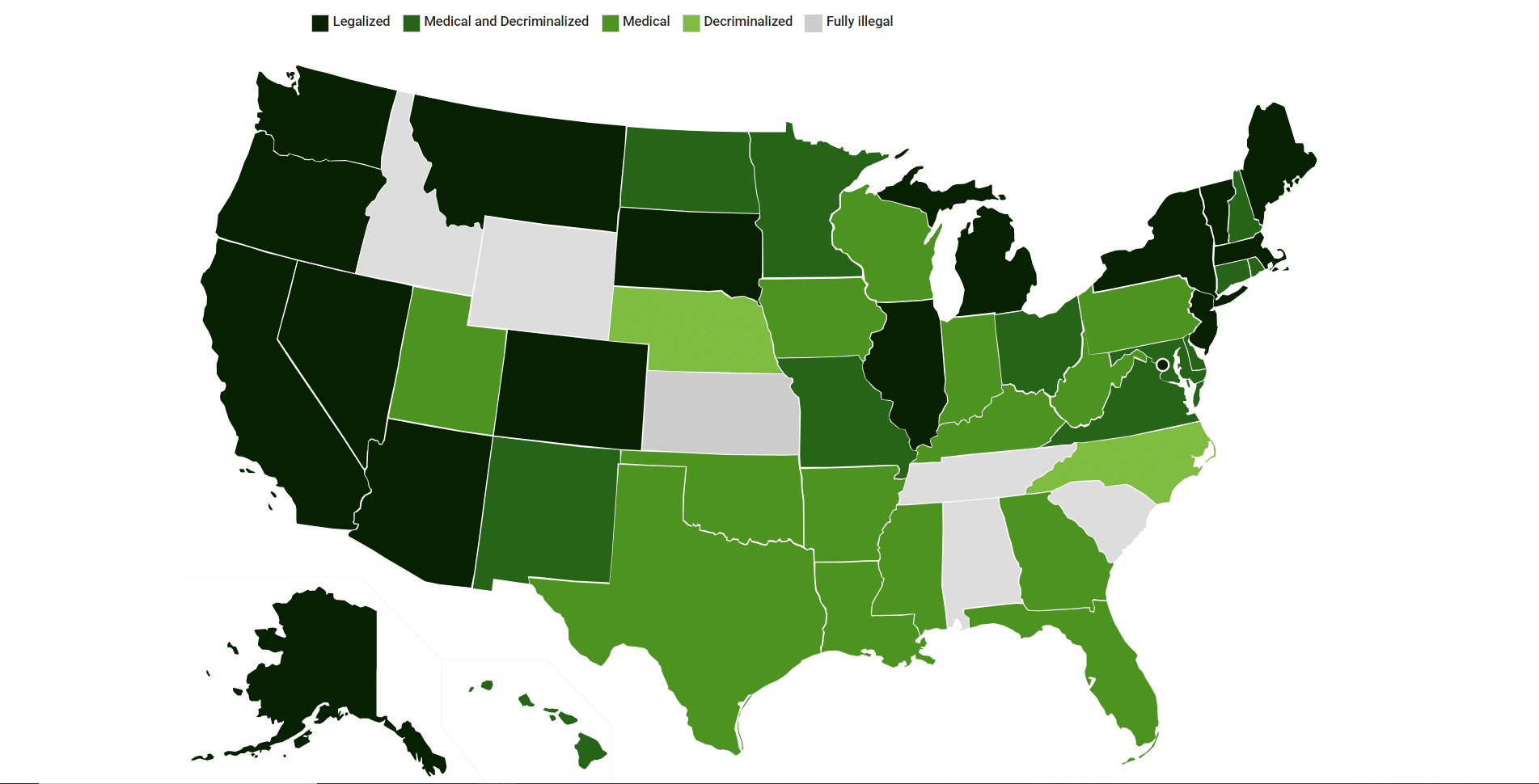
事实上,截至目前,各州的大麻法律分为五个不同类别。

●        Marijuana is fully legalized in 16 states.

●        Medical marijuana is legalized and possession has been decriminalized in 12 states.

●        Medical marijuana is legalized, but possession is still criminalized in 14 states.

●        Marijuana is decriminalized but not legalized in 2 states.

●        Marijuana is illegal in all forms in 6 states.

大麻在美国的合法性资料来源:DISA全球解决方案。DISA全球解决方案

The most important thing for international students and all noncitizens* to realize is that these various state laws do not apply to them because marijuana is still a federal controlled substance. To use or possess marijuana in any form—and even to work in the legal cannabis industry—is still a crime for noncitizens and could have damaging effects on the college careers of international students.

*For the purposes of this article, “noncitizens” is defined as anyone with an immigration status other than U.S. citizenship, including lawful permanent residents, refugees and asylees, and people with temporary visas or forms of protection.


为国际学生的提问做好准备

When entering the U.S., international students may face questions related to marijuana. For example, immigration officials may ask if they used marijuana back home and whether or not they plan to continue using it during their stay in the U.S. If a student answers “yes” to either question, they may not be allowed to enter the country.

And the questions may not stop there. Even once an international student is through the gates, local authorities may still stop and question them regarding marijuana. Being approached by an officer can make anyone nervous, but this is especially true if a language barrier is present or if the student is unfamiliar with U.S. laws. International students should remember that they do have rights, including the right to remain silent and to choose to speak to an attorney before answering the official’s questions.

同样重要的是,要提醒国际学生在抵达之前清除他们的短信、留言、电子邮件和社交媒体账户中与大麻有关的任何内容。

帮助国际学生避免使用CBD产品

随着医疗和娱乐性大麻的合法化,为消费者提供的相关产品正在成倍增加。重要的是,国际学生要认识到,避免使用绿叶和花蕾并不足以保护他们免受联邦大麻法律的影响。

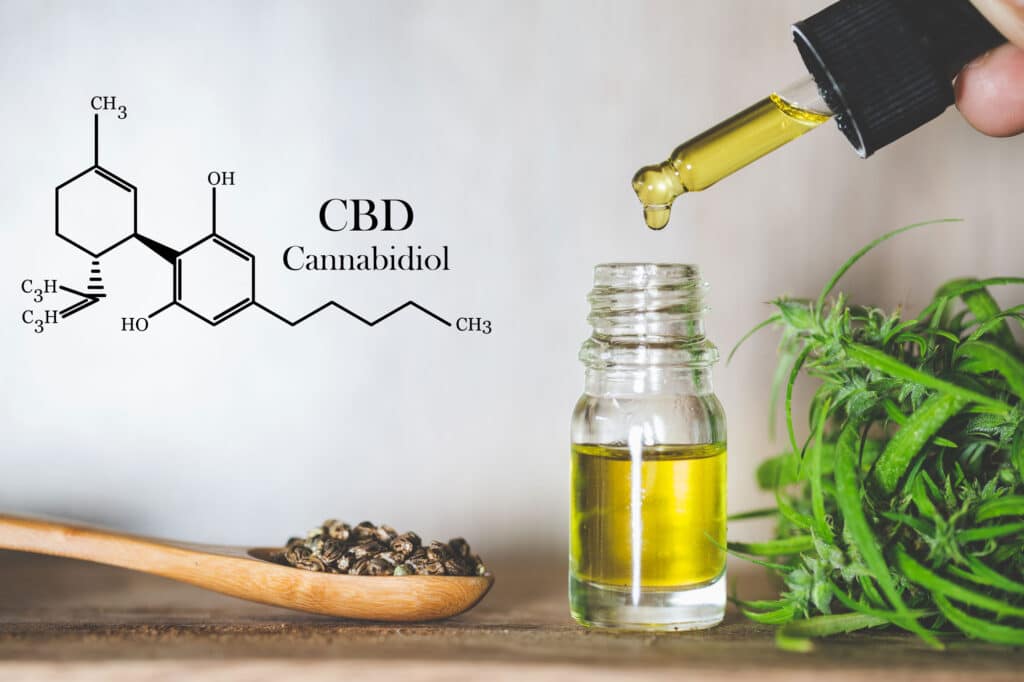
For example, a Canadian woman was recently refused entry and subsequently banned from the U.S. because she had Cannabidiol (CBD) oil in her backpack. CBD alone cannot cause a high and is used primarily for medicinal purposes, and some doctors may recommend CBD as part of a treatment plan. However, international students should be warned not to accept CBD products, even if recommended by their doctor, until they receive legal counsel. Similarly, students should avoid any consumer products containing CBD, which can be found mostly in health and beauty products.

In addition, CBD is not approved by the U.S. Food and Drug Administration (with the exception of one prescription seizure medication), and there are still many unanswered questions regarding its use and side effects.

强调对国际学生的谨慎态度

State marijuana laws are in flux, but federal laws are not. The Immigrant Resource Legal Center (IRLC) continues to recommend extreme caution for international students, who should not allow themselves to be linked to marijuana (or CBD) in any way. This includes never carrying marijuana or CBD products, a medical marijuana card, or paraphernalia like a pipe. Clothing and accessories with a marijuana graphic should be avoided, and international students should not discuss marijuana in texts, emails, or social media.

In addition, international students should not take jobs within the cannabis industry or jobs that require them to handle marijuana or CBD products.

主要收获

目前,忽视美国大麻法律的喧嚣对国际学生是有利的。虽然联邦法律保持不变,但学生应该避免一切形式的大麻,了解他们的权利,并在涉及与大麻有关的消费品时非常谨慎。

The information provided on this website does not, and is not intended to, constitute legal advice. All information, content, and materials available on this site are for general informational purposes only. Information on this website may not constitute the most up-to-date legal or other information. This website contains links to other third-party websites. Such links are only for the convenience of the reader; The Lewer Companies does not recommend or endorse the contents of third-party sites. Readers of this website should contact their attorney to obtain advice with respect to any particular legal matter. No reader should act or refrain from acting on the basis of information on this site without first seeking legal advice from counsel in the relevant jurisdiction. Use of, and access to, this website or any of the links or resources contained within the site do not create an attorney-client relationship between the reader and website authors, contributors, or committee members and their respective employees.<

linkedin facebook pinterest youtube rss twitter instagram facebook-blank rss-blank linkedin-blank pinterest youtube twitter instagram